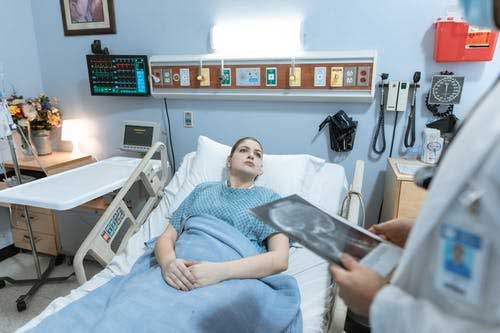
Urology and gynecology are two distinct fields of medical specialization. However, there are many instances where the two areas intersect and specialized treatment, including surgery, is required. While many hospitals have both urology and gynecology departments, not all offer highly specialized urogynecologic surgery and procedures. Urogynecology, also known as female pelvic medicine and reconstructive surgery, is a subspecialty of gynecology and urology with a focus on taking care of the pelvic floor problems that many women face.
A urogynecologist undergoes extensive specialized training in order to effectively diagnose and manage female pelvic disorders and ailments. The most common of these problems are:
- Incontinence
- Prolapse
- An overactive bladder
- Fibroid
- Endometriosis
The Pelvic Floor
The pelvic floor is made up of ligaments, muscles and supportive connective tissue. This forms the framework that supports the internal organs such as the bladder, bowel, uterus, rectum and vagina. Women often suffer from pelvic floor damage due to the strain caused by pregnancy, childbirth, very strenuous physical activity, pelvic surgery and the natural effects of aging such as menopause, the need for a hysterectomy and damage to connective tissues. Although disorders of the pelvic floor are normally not life-threatening, they are not to be taken lightly. The pain, discomfort and embarrassment that results from pelvic ailments can affect the quality of a woman’s life, especially her professional activities, social life and personal relationships.